Guide · 9 min read · · by Arjun Jhukal
Website design in Nepal: how a good site is planned, designed and built
A good website is not drawn page by page. It is designed as a set of building blocks, then assembled. Here is the whole process — and what to expect from whoever builds yours.
When people in Nepal search for website design, most of what they find are portfolios: pretty screenshots, a phone number, a "starting from" price. Very few explain what actually happens between the first meeting and launch day — which is exactly what decides whether the site works. This guide walks through the process I follow, step by step, so you can hold any web design company in Kathmandu (including me) to it.
Step 1: Research before anything is drawn
- Who visits, and on what? In Nepal, usually a phone on mobile data. Design for that first.
- What do they search for? The exact words your customers type into Google decide which pages the site needs.
- What must they do? Call, send a WhatsApp message, book, pay with eSewa or Khalti, download a brochure.
- What do competitors do badly? Slow pages, no prices, no answers — each one is your opening.
Step 2: A sitemap and content plan
A sitemap here means the list of pages and how they link to each other. It is the most important document in the project and the cheapest to change. A consultancy might need country pages, university pages and service pages; a trekking company needs trips, regions and guides; a school needs programs, faculty and admissions. Each page type gets a list of the fields it needs — price, duration, photos, FAQs — before anyone opens a design tool.
Step 3: UI/UX design as a system, not as pages
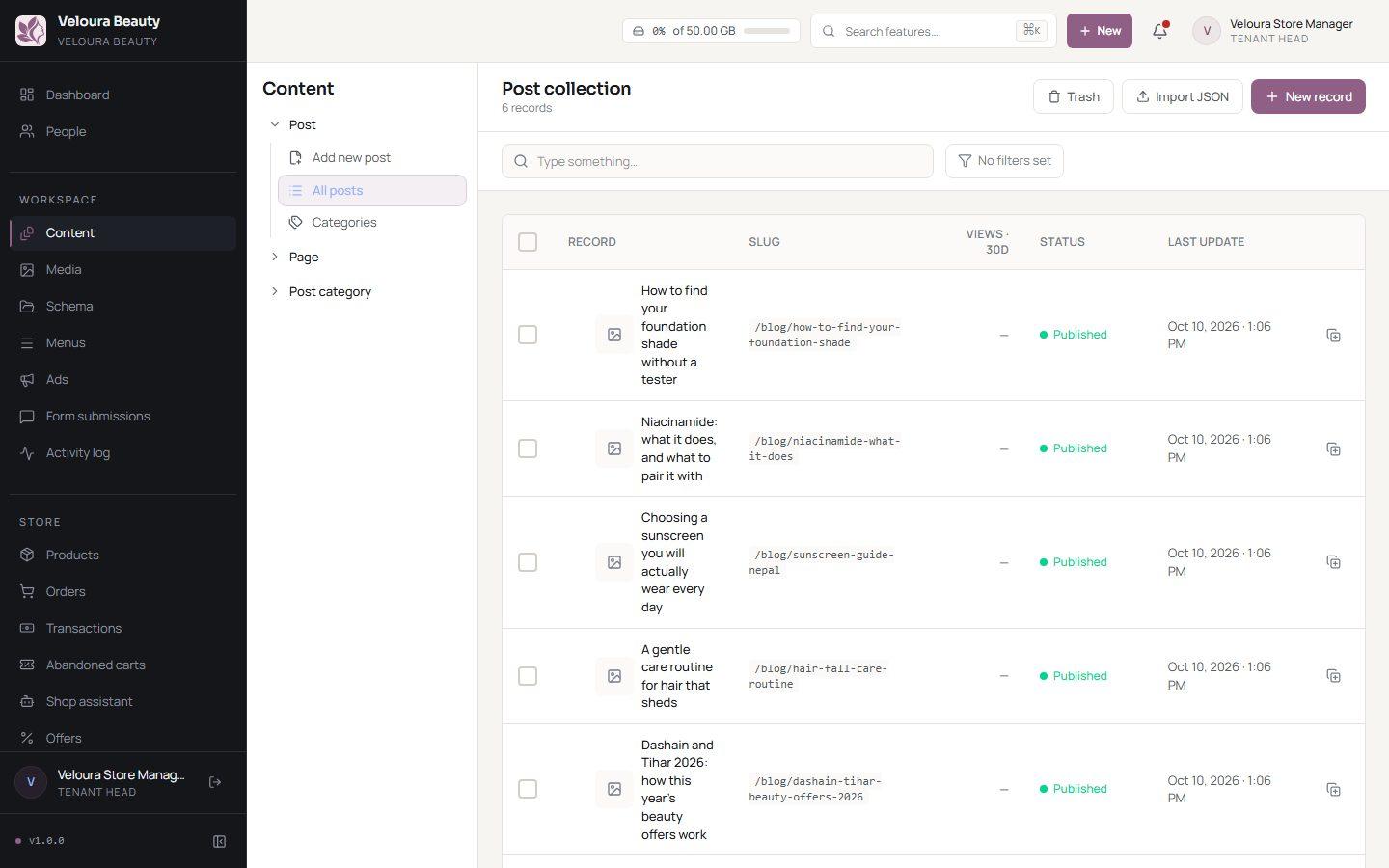
This is where good and average website design in Nepal split apart. An average designer draws ten pages. A good one designs a system:
- Foundations — colours, type sizes, spacing, buttons, form fields.
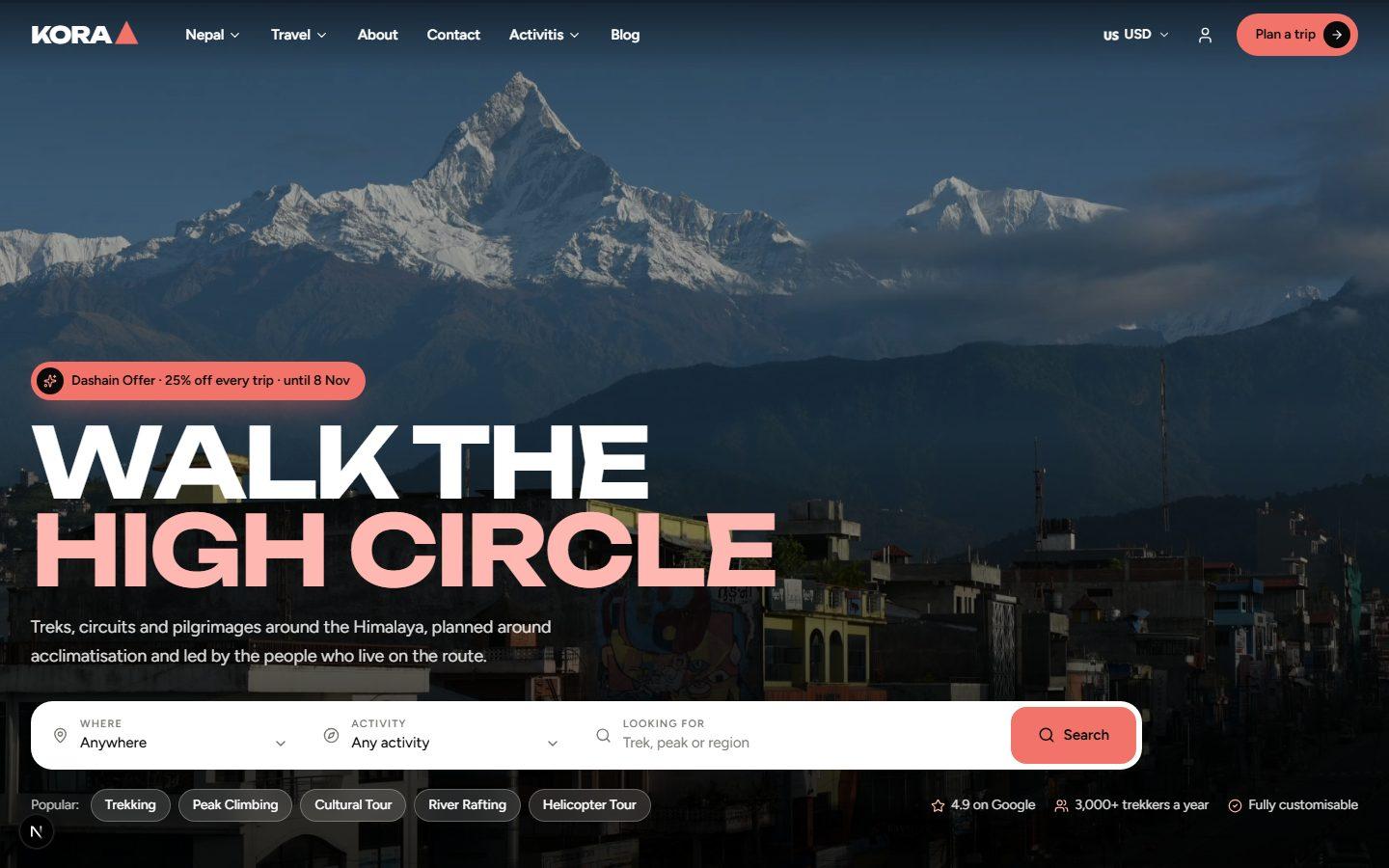
- Blocks — the reusable sections: hero, card grid, price table, testimonials, FAQ, gallery, map, comparison, call to action.
- Templates — how blocks combine for each page type: a trip page, a service page, a blog post.
- Phone first — every block designed at phone width, not squeezed down from desktop later.
Done this way, the design covers pages that do not exist yet. Your team can make the 50th service page next year, and it will look as considered as the first. That is the idea behind the block page builder in every site I build.
Step 4: Build the blocks, then the pages
The developer codes each block once — on WordPress as a custom theme with Gutenberg or ACF blocks, or on Next.js with Next CMS — and tests it on real phones. Only then are pages assembled. It feels slower in week one and is much faster by week three, because page 30 takes minutes instead of a day.
This is also how one well-built site grows to hundreds of unique pages — trips, services, locations, products — each answering a different search. Every page needs its own real content, but the design and code are already done. The trade-off in money terms is in a WordPress website for NPR 40,000 vs NPR 1,00,000.
Step 5: Content, SEO and speed
- Real content in real blocks. Placeholder text hides layout problems; real Nepali and English text exposes them early.
- Titles, descriptions and structured data for every page type — set once in the template, filled per page. See the SEO toolkit.
- Internal links — every trip links to its region, every service to its case studies, every guide to the pages it mentions.
- Speed on a phone, measured with PageSpeed, not guessed. Images resized, fonts trimmed, nothing loaded that the page does not use.
Step 6: Launch and the first months
- Domain and hosting in your name — see .com.np domain registration.
- Redirects from the old site so Google rankings carry over.
- Search Console and analytics connected; sitemap submitted.
- Forms, WhatsApp buttons and payments tested for real.
- Training for your team, and support for the first months.
How to judge a website development company in Nepal
- Ask to see the sitemap and design system from a past project, not just the finished homepage.
- Open three of their live sites on your phone on mobile data.
- Ask how your team will make a new page after launch. If the answer is "call us", every page will cost you.
- Ask who owns the domain, hosting, design files and code. It should be you.
- Ask what happens to your Google rankings if they replace your old site.
What website design costs in Nepal
In 2026, roughly: a theme-based site NPR 25,000–50,000; a custom-designed site with its own block library NPR 80,000–1,50,000; a store or booking site NPR 1,00,000–3,00,000 and up. The full breakdown is in website cost in Nepal. Whatever the budget, the process above is what you are paying for — and the quotes that skip steps 1–3 are the ones that look cheapest.